|
|
 |
 |
 |
 |
The View From Zurich

Alettermock2
Thursday, September 28, 2006 Vol. 8 No. 194
|
|
In Today's Letter:
Comment:
The View from Zurich Currencies:
Playing the Dollar Waiting Game Wealth:
Ethanol Producers Suffer Privacy:
Watch Thy Customers
|
The View from Zurich
Today's
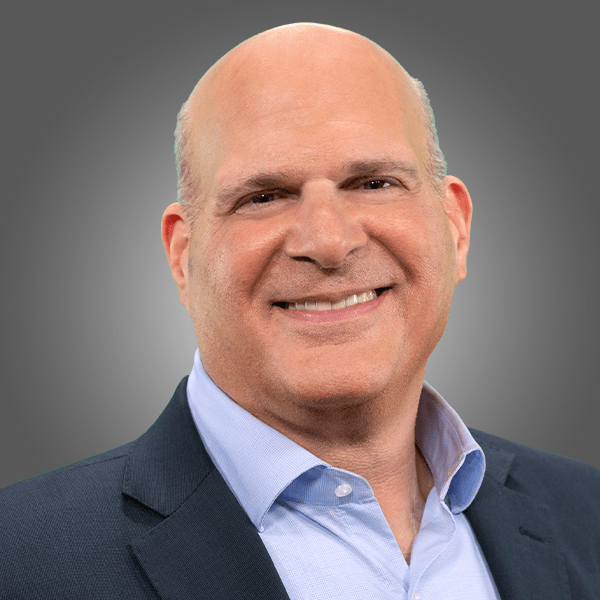
commentary is by Eric Roseman, The Sovereign Society's Investment
Director, Editor of Commodity Trend Alert, and speaker at The European
Banking Tour.
Dear A-Letter Reader:
Everything runs like clockwork here in Zurich.
Traveling here was effortless. I arrived this morning on my Swiss
International Air Lines flight from Montreal. If you're connecting to
almost any destination in the world, Zurich is an excellent hub. Unlike
other major European capitals, the airport isn't that congested and
it's clean. Plus, you don't have to walk several miles to get to your
connection.
I used to connect through London's Heathrow airport, but chronically
losing my bag on tight connections finally persuaded me to look for an
easier and more efficient alternative - Zurich.
And it's not just the airport. Switzerland is now humming on all cylinders this fall.
I remember earlier this decade when Zurich was almost depressed.
Real estate prices had compressed, unemployment was above 5%, and
capital markets were distressed following the bear market in stocks in
2000. The banking industry was even suffering six years ago as layoffs
made the headlines regularly.
But turn that Swiss clock ahead six years and things are very
different in Zurich. The city is bustling. Hotel rates, a very accurate
indicator of a city's economic activity, are now at their highest
levels in history. A room at the beautiful Baur au Lac in central
Zurich now fetches north of CHF 700 francs (around $564). Just two
years ago a room cost CHF 450 francs (then $357). Unemployment rates
have also declined to below 3% in Switzerland while stocks on the
Zurich SMI Index just hit an all-time high on September 26. Switzerland
is back on top of the world this year and it remains one of my favorite
countries to live, invest and of course, visit.
When you walk around Zurich, you can easily understand why
approximately one-third of all global deposits are stashed away in this
country. For global investors and businesses alike, the rock-solid
stability of every aspect of Swiss society remains the primary reason
why this country continues to attract long-term savings. In a world
marred by geopolitical unrest, Switzerland remains undeniably
predictable.
Plus, Swiss companies today are much more vigilant about fighting
rising costs in an environment of soaring commodities and rising wage
pressures. Last week, Credit Suisse, the country's second-largest bank
behind UBS, announced a new policy of cutting back on office color
copies throughout Switzerland. In an effort to reduce costs, the bank
is encouraging employees to control excesses, including expensive
dinners and cocktail parties following the closure of deals. (Perhaps
certain heavily indebted governments should take note...if you want to
maintain your status as credible and creditworthy, a belt-tightening
here and there might be in order...)
In that spirit to increase the bottom line amid a bull market in the
economy and stocks, the country was ranked #1 by the World Economic
Forum in 2006 as the most competitive economy, ahead of the United
States and the Nordic countries.
But you have to be careful about where to invest here. Real estate
in this country is now extremely expensive, so unless you plan on
making Switzerland your home, avoid this asset class. And Swiss
government bonds maturing in 2016 yield just 2.35% -- unattractive
compared to some multinationals paying a similar or higher dividend
yield on the Zurich SMI Index.
The way to play Switzerland as an investment is to buy depressed
stocks -- if you can find them. The Swiss franc remains an attractive
currency for all dollar-bloc investors and even those living in
euro-based countries. And buying stocks is the best way dollar-bloc
investors can profit from the rising Swiss franc's strength.
And of course, I love the Swiss franc for long-term investors as
just a safe-haven currency play and a hedge against the secular decline
of the American dollar. ERIC ROSEMAN, Investment Director on behalf of The Sovereign Society
EDITOR'S NOTE: Today is the last day of The
European Banking Tour. But if you missed it, there's another Sovereign
Society seminar coming up in November - this time in the paradise
central of Puerto Vallarta, Mexico. Wrapped around the horseshoe-shaped
Banderas Bay, Puerto Vallarta offers 26 miles of open beaches, sunshine
322 days out of the year, Mexican shopping districts and seven golf
courses. Plus, in addition to your holiday weekend in Puerto Vallarta,
you'll learn all the asset protection and investment secrets our
international finance experts have to offer. A-Letter Readers can click here to learn more. (Members: Click here to claim your $50 discount.)
|
|
|
|
Playing the Waiting Game on the Dollar
There
is a growing chorus of belief the Fed will cut interest rates to avoid
a "pending" recession. Maybe! But we can create a very plausible
scenario that says no cut is needed-in fact it's time to play wait and
see as the lags of past monetary policy play out.
If, and these are the usual big if's of markets, stocks continue to
rally, bonds continue to rally, and crude oil prices continue to fall,
it would provide plenty of collateral support for the U.S. consumer. In
this scenario, any cut might push the "inflation," already in the
system, higher.
So, we could once again see another shift in expectations about the
Fed. And if the European Central Bank doesn't do the deed, the dollar
dynamic might change once again. And all those major banks that have
penciled in EUR/USD (the price of euro vs. the U.S. dollar) at $1.30 by
year end may have to get out their erasers.
JACK CROOKS, Currency Director
EDITOR'S NOTE: A few spots remain open for Jack
Crooks' Currency Teleconference, to be held next Tuesday, October
3rd at 4:00pm. Dial in to meet the man behind The Money Trader
and learn Jack's strategy for success in the currency markets. Plus,
we'll reveal his number one currency play for the fall. Click here to learn more.
|
|
|
|
Ethanol Producers Suffer in Poor IPO Environment
It's been a
harsh quarter for ethanol companies so far. After posting profits in
the latest quarter, two recently listed ethanol companies are trading
at a post-IPO (initial public offering) low this fall. In fact, both
companies have seen their stock prices crash over the last sixty days.
Right now, several other ethanol producers seeking a U.S. listing
are delaying their offering due to the severe energy correction since
late August. Ethanol producer Hawkeye Holdings, seeking to raise $366
million dollars in an IPO this month, decided to delay their offering.
Another ethanol company, ASAlliances Biofuels, is also supposed to go
public this month, but ASAAlliances will also probably delay its
offering as crude oil, heating oil, gasoline and natural gas prices
plunge amid rising inventories and what's typically referred to as a
"shoulder season" for demand.
Meanwhile, corn and sugar prices - two of the most popular
ingredients for manufacturing ethanol - remain under pressure after a
rally earlier this year. Sugar, which led the bull market in biofuel
commodities since 2004, has collapsed since last spring. Sugar tanked
34% from March 31 to August 31 - the biggest five-month drop since 1999
on the New York Board of Trade. And corn prices have declined 13% since
July 12. Over the next several weeks, I'll be making a play on ethanol
and biofuel in our members-only newsletter, TSI. I'm jumping on board
because some of these companies are literally "On Sale" and clearly in
bargain-basement territory in late September following massive
declines. Be on the lookout for my recommendation in The Sovereign
Individual.
ERIC ROSEMAN, Investment Director
|
|
|
|
Are You Being Watched? More and More Businesses Must Spy On Their Customers
Report any "suspicious transactions" in which your customers engage, or go to jail.
That's the stark choice that more and more businesses face-not just in the U.S., but in many other countries.
The oldest requirements for customer spying are in U.S. banks, which
for nearly 20 years have been required to submit suspicious
transactions by their customers. What's suspicious? Just about anything
even remotely out of the ordinary. In previous A-Letters I've written
about how even paying off a loan can be considered suspicious, leading
to an investigation and a prolonged account freeze.
In the U.S., these requirements have now been extended to pawnshops,
travel agents, jewelry and precious metal dealers, mutual funds,
dealers of cars, boats and airplanes and real estate agents.
It's not stretching the truth to conclude, "If you're a citizen, you're a suspect."
These requirements are now being exported to other countries, in the
form of "best practices" recommendations from organizations such as the
Financial Action Task Force (FATF). More and more countries now have
"financial intelligence units" whose responsibility it is to sift
through "suspicious transaction reports" filed by local financial
institutions and merchants. In the European Union, even lawyers must
inform on their clients!
The latest trend is to extend these requirements to utility
companies. In British Columbia, for instance, using too much
electricity may result in a mandatory "safety inspection."
Abnormal consumption is defined as any residence that uses more than
three times the average electrical consumption. More than 18,000 homes
fit this definition in British Columbia. A few of the "safety
inspections" conducted to date have unveiled marijuana gardens, but
most have revealed households with items such as hot tubs, swimming
pools, or teenagers-all sources of high electricity use.
When will this madness stop? It's hard to say. Perhaps voters will
get fed up. Or the capital required to underwrite a "War on Everything"
will dry up. Or one day, we will just magically come to our senses and
simply stop allowing this to happen. A privacy buff like me - and
readers like you - can only hope.
In the meantime, though, I must urge you to be vigilant. Protect
what's left of your privacy and property rights right now. I'm not
afraid to say it, and I don't mean to be the resident downer here...but
you'll thank me if you do...and you could be very sorry one day if you
don't. Click here to learn more.
MARK NESTMANN, Privacy Expert & President of The Nestmann Group www.nestmann.com
|
|
|
|
Your Life is an Open Book...If
- You've given out your SSN to anyone in the past 6 months...
- You belong to any church or organization...
- You hold 50% or more of your assets in any U.S. bank...
You're an easy target for unjust lawsuits, asset forfeitures and identity theft.
I'll show you 109 ways to protect your privacy and property rights -
and secure your wealth - using the secrets of the United States Witness
Protection Program...
LINK: http://www.isecureonline.com/reports/190SSWPP/E190G960/
|
|
|
 |
 |
|
 |
 |
|
 |
|
|